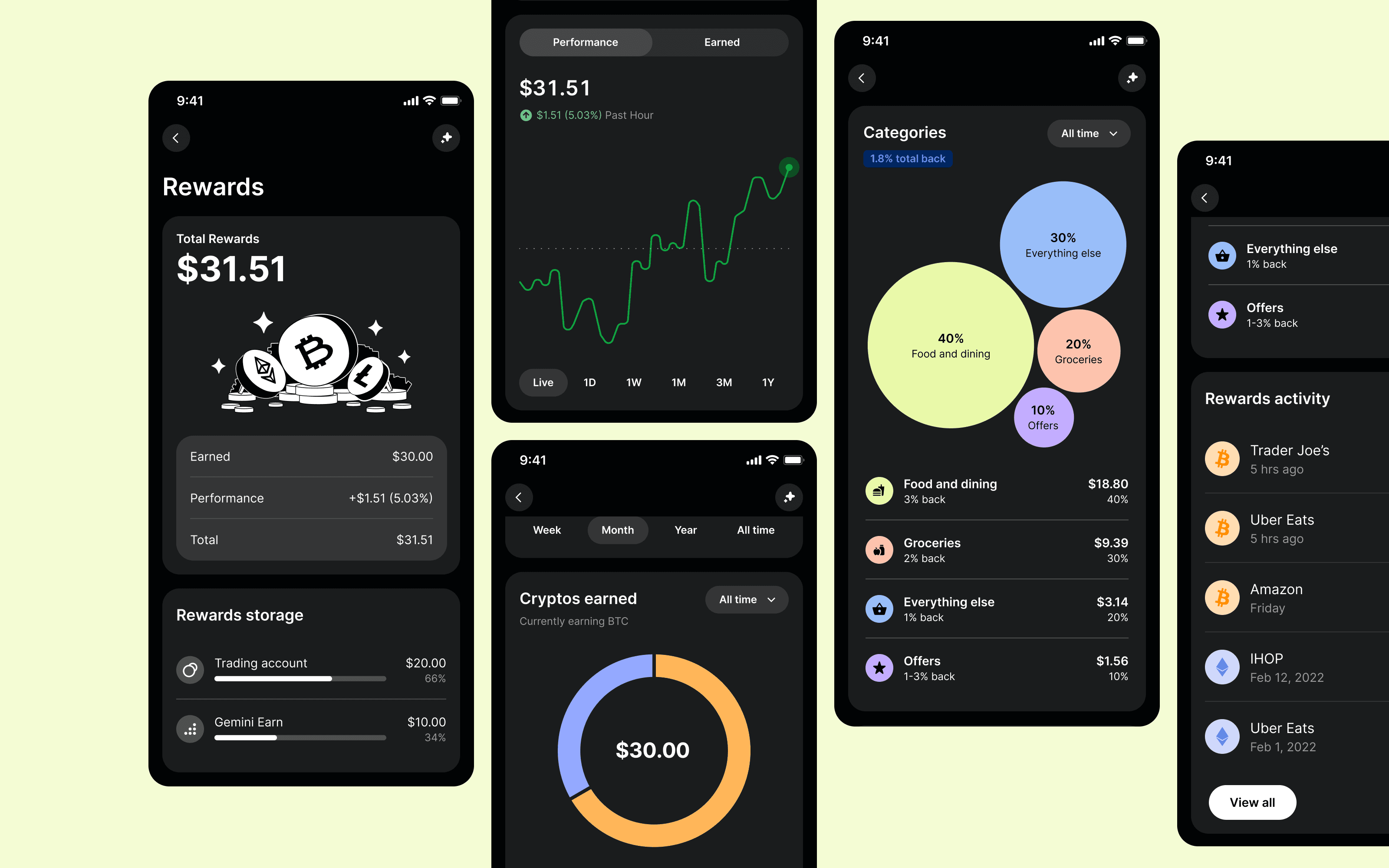
Flipkit
Resellers were spending 40 hours a week copying the same listing across six marketplaces. We got it down to 10 minutes.
3mo
Concept to beta
1000+
Users at launch
40hrs
Per seller per week
ROLE
Founding Product Designer
TIMELINE
Jan - Jun 2024
TEAM
4 Founders (solo designer)
TOOLS
Figma, Google Workspace, Instagram
THE PROBLEM
Selling is fragmented, repetitive, and manual. The problem wasn’t that resellers were struggling to sell, but rather that they were struggling to operate.
Listing 1 item across multiple platforms meant repeating the same steps over and over, with slight variations each time. Multiply that across dozens of items, and it quickly becomes operational overhead.
We wanted to target 3 main user pain points:

01
Tedious manual inventory tracking and listing
02
Double sales of the same item across marketplaces
03
No unified view of performance analytics
THE PRODUCT
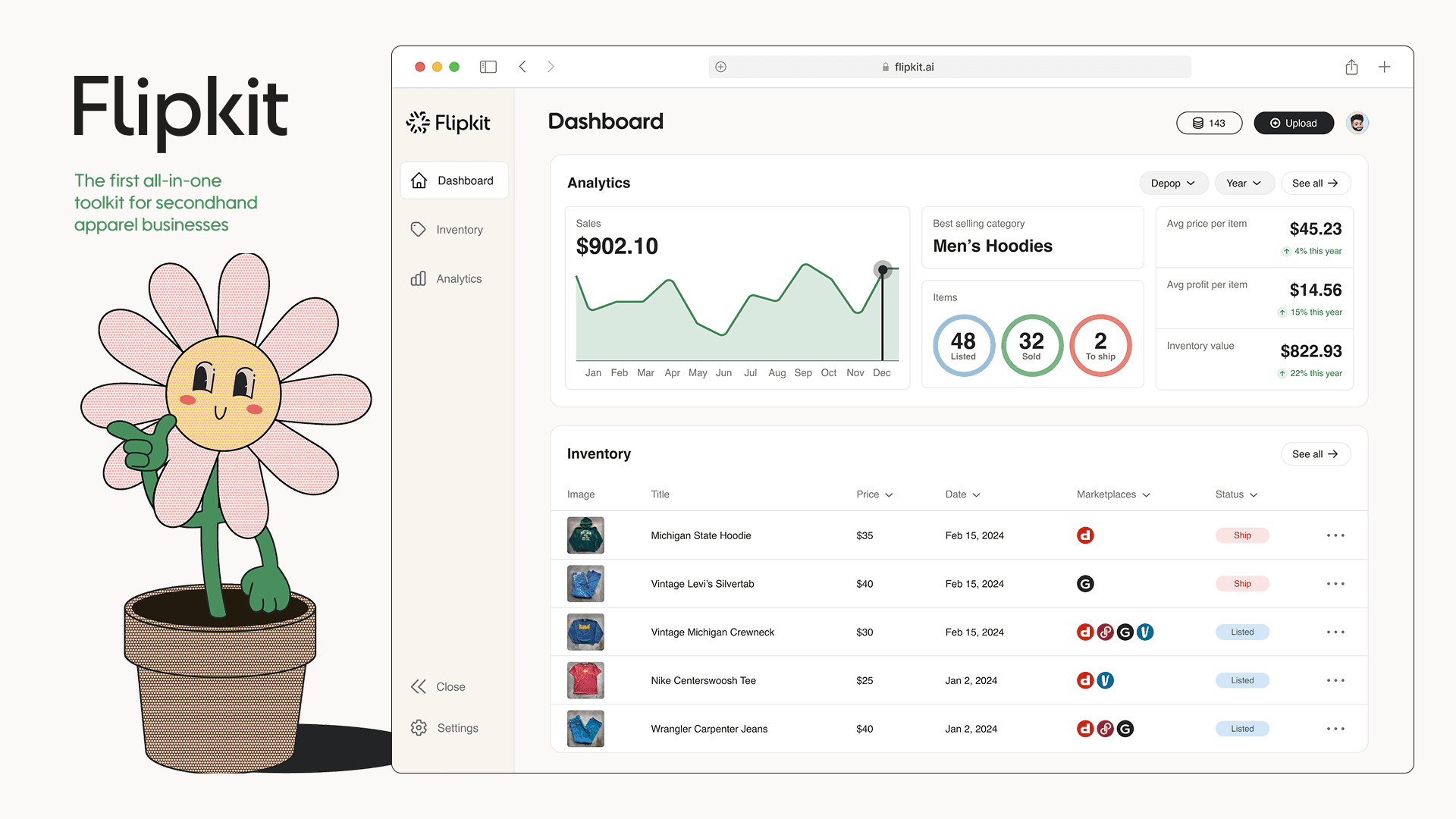
Serious resellers rarely sell on a single platform. They manage inventory across multiple platforms (Depop, Poshmark, eBay.. etc), manually creating and maintaining listings on each one. For someone managing ~50 items across multiple marketplaces, that adds up to roughly 40 hours of repetitive work per week.
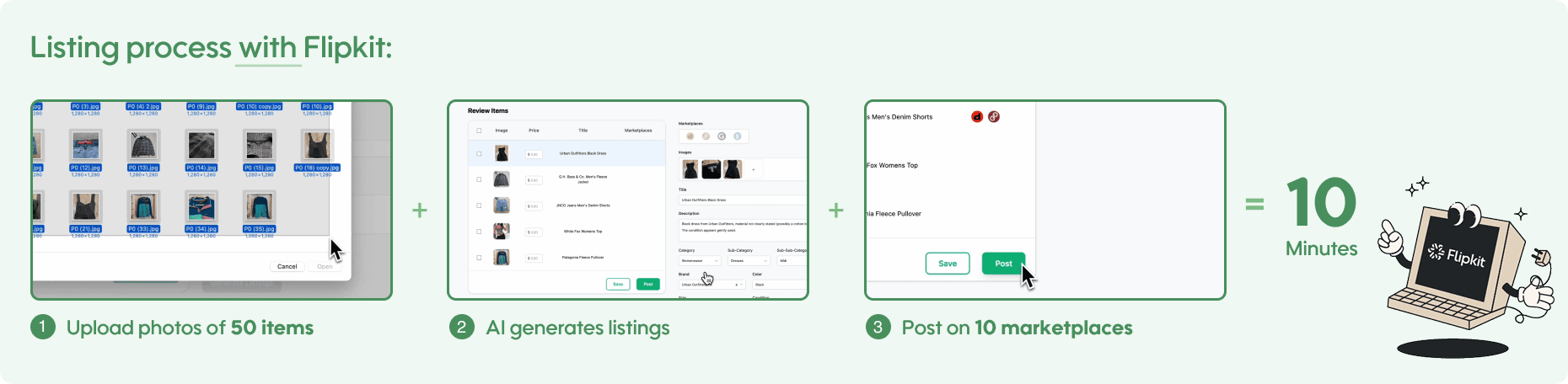
Flipkut cuts that down to 10 minutes: upload photos once, generate listings with AI, and publish everywhere at the same time. A unified analytics dashboard gives sellers a single place to track performance across platforms without logging into each one individually. The product is designed for people running real resale businesses, not casual sellers clearing out closets.

WHAT WE CHOSE TO BUILD
Resale is one of the fastest growing segments in apparel, projected to reach $96B by 2032, with over 50M resellers globally. Despite that, most tools in the space were built for traditional retailers rather than independent resellers.
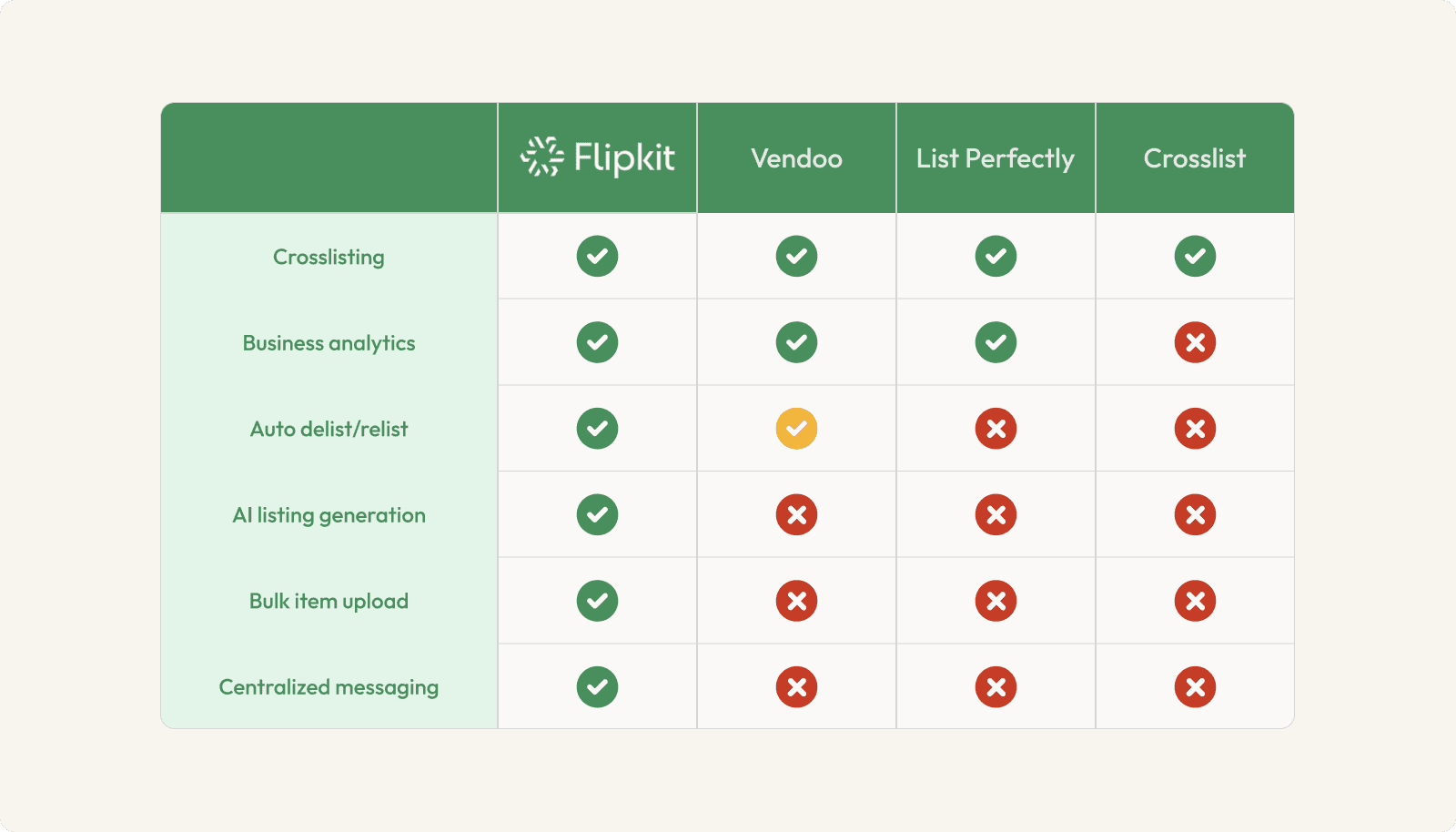
None of these tools reflected how modern resellers actually operate. From early research, I saw a consistent pattern:
01
Tools were expensive relative to value
02
User flows were slow and fragmented
03
Solved only part of the workflow
Since we wanted to launch Beta in 3 months, we had to prioritize decisions. We decided to focus on 2 main goals:

01
Reduce listing time to near zero
02
Give sellers a clear, unified view of their business
DISCOVERY
15 beta user interviews

400+ survey responses

Continuous feedback loops

We had originally scoped the dashboard around standard marketplace metrics. But beta users pushed us to rethink that entirely. They didn’t care about vanity metrics, they wanted answers:
->
When should I post?
->
Where am I actually making money?
->
What's selling and what's not?
They knew what they needed better than we did, so we shifted direction based around their answers. The analytics layer ended up being one of the most user-defined parts of the product.
DESIGNING THE CORE SYSTEM
The key tension here was automation vs. control. Users wanted speed, but not at the cost of trust, so we built everything to remain editable. The core experience reduced a multi-hour workflow into three steps:
Upload
Users bulk upload up to 50 images. The system groups items automatically using AI, with full manual override if needed.

Generate
Listings are created with titles, pricing, descriptions, and categories. Everything is editable before publishing.

Publish
Users select which marketplaces to post to, and publish everywhere at once within seconds.

ANALYTICS DASHBOARD
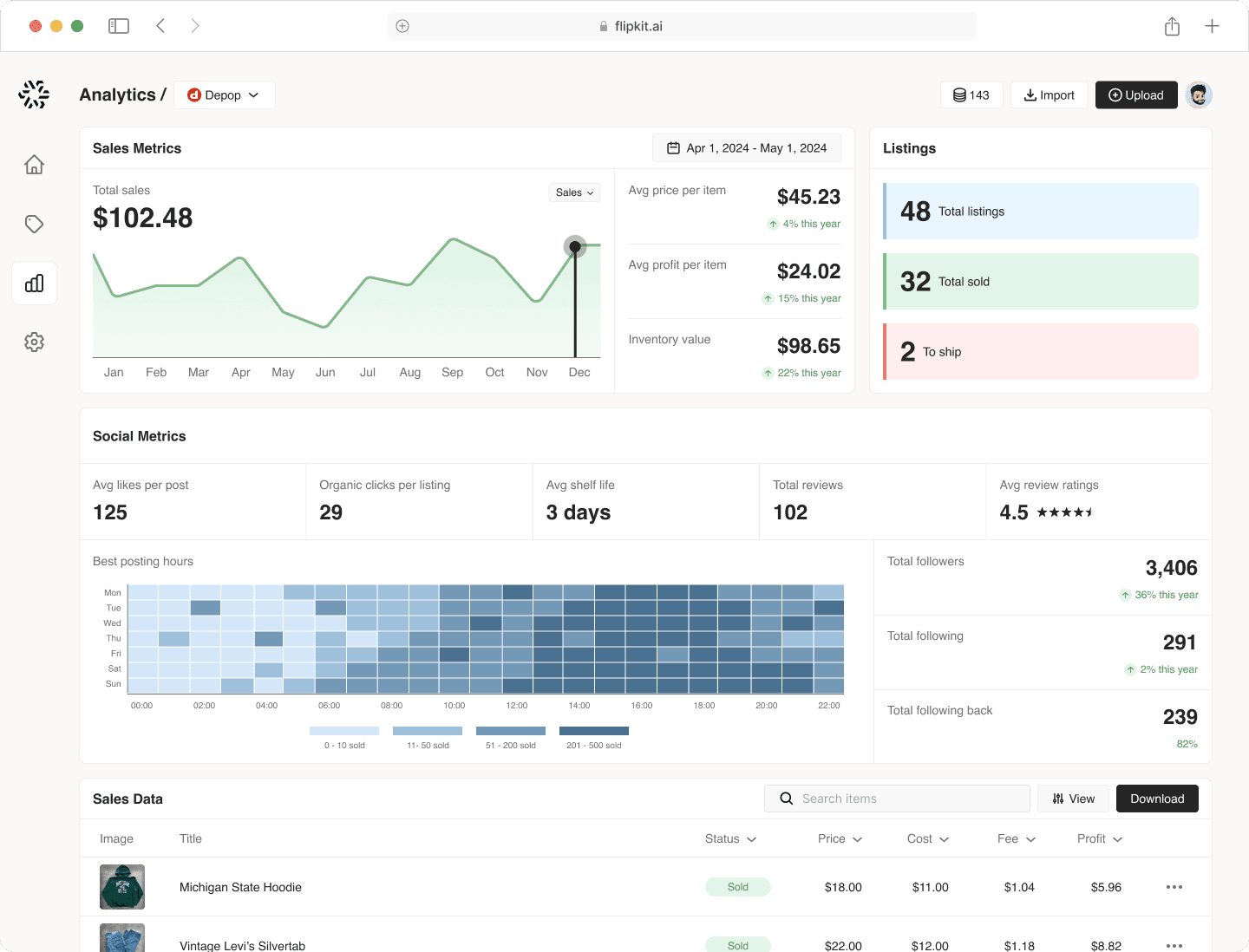
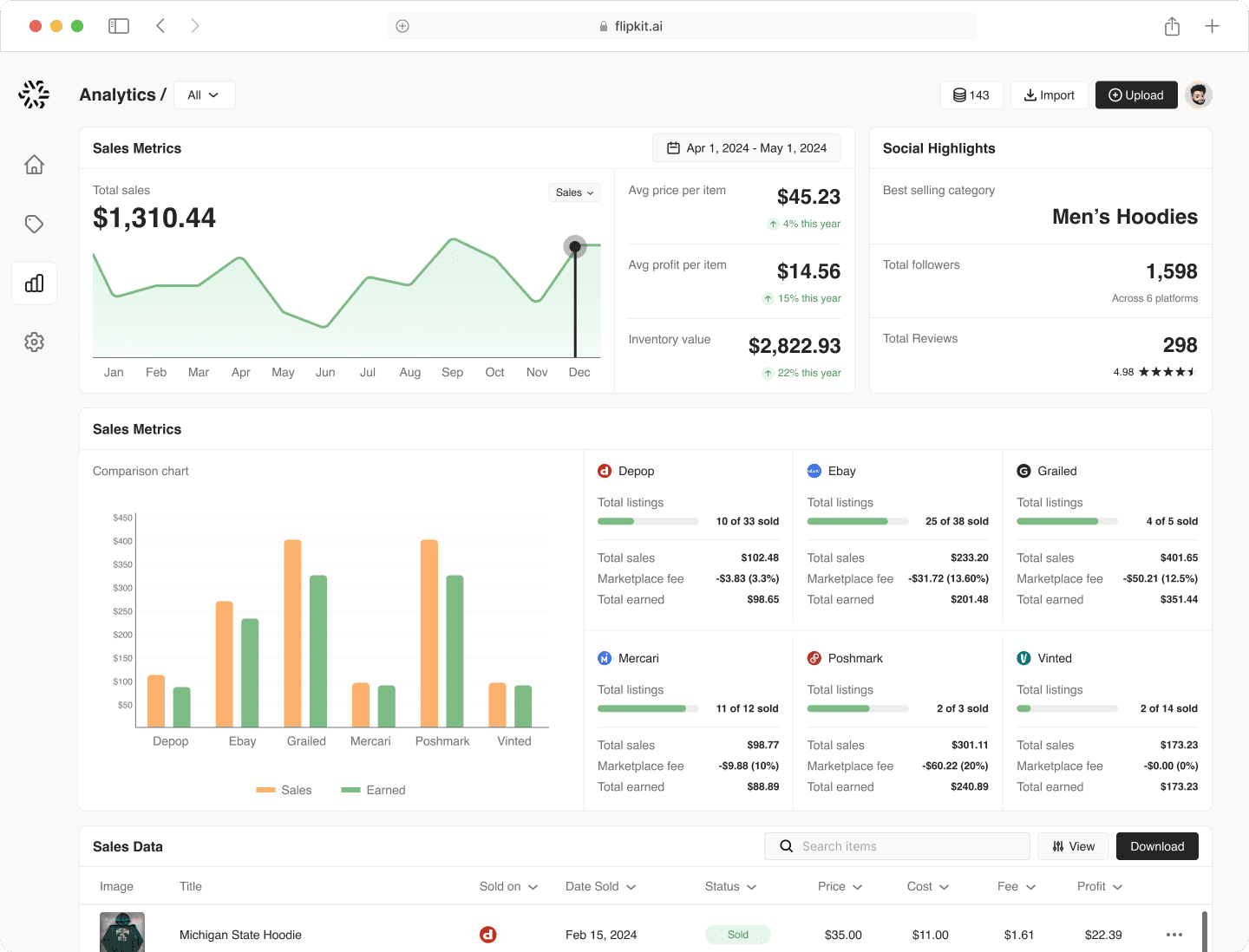
To build an analytics dashboard people actually use, we designed two mental models:
Single Marketplace View
A deep dive into performance: sales, fees, engagement, and listing activity.
Cross Platform View
The goal wasn’t to show more data, but to give the right information users needed to make better decisions.
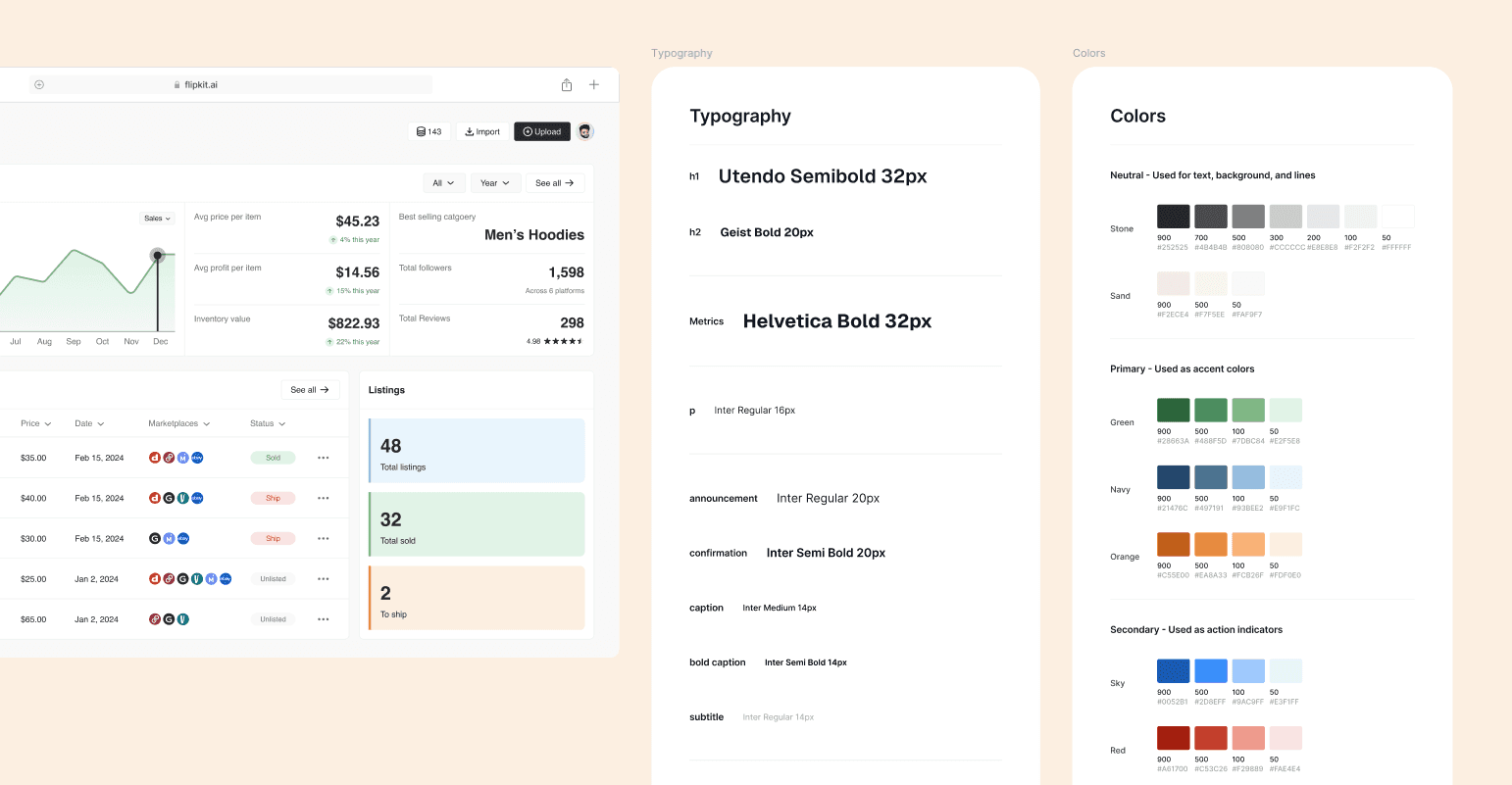
SYSTEM AND BRAND
To create a cohesive brand identity, I built:
->
A scalable design system
->
End-to-end product UI
->
Investor decks
->
Marketing and social assets
THE LAUNCH
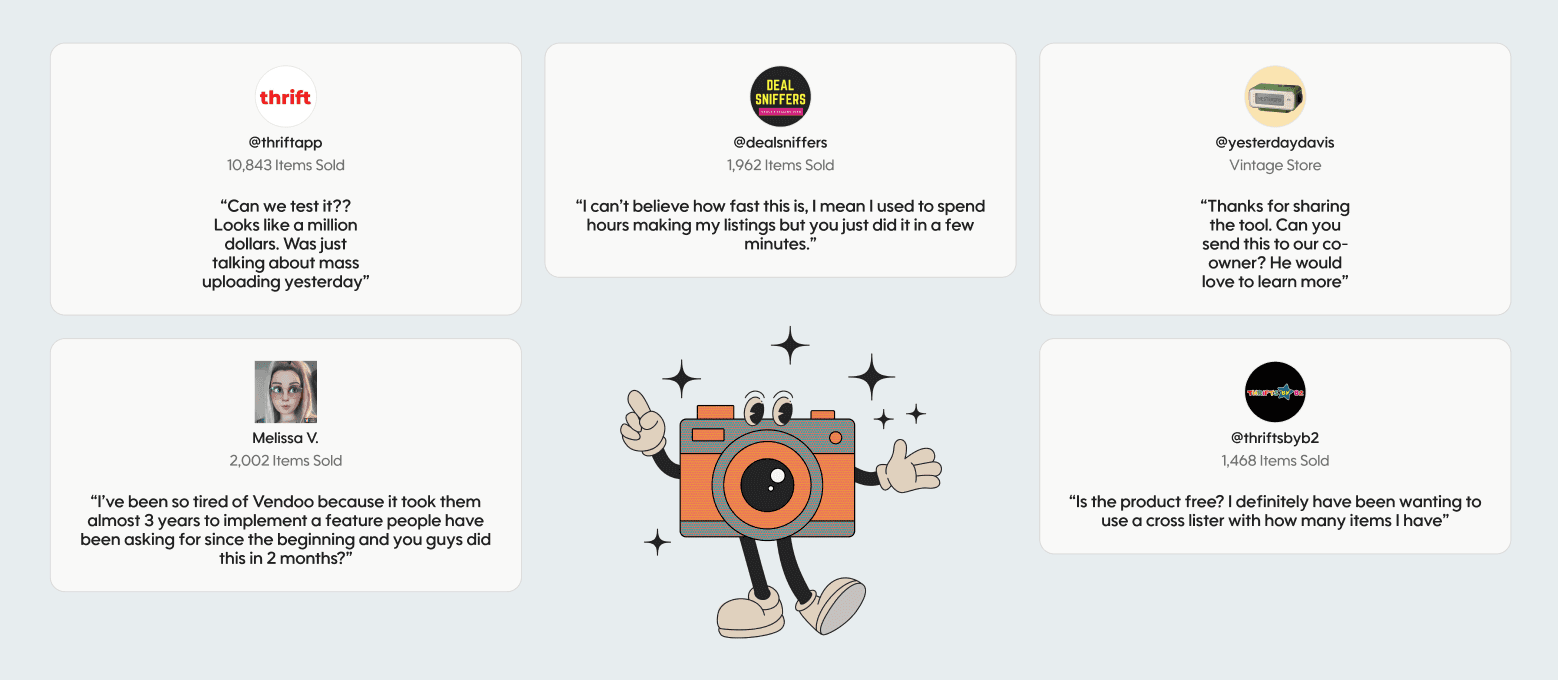
We shipped beta in 3 months. By public launch we had 1,000+ users, most of them from the reseller community our beta users had helped build organically. Users weren’t just signing up, but sharing it with each other. This meant we were actually solving something real for them.
The product reached a stable beta state and was actively used before we individually transitioned into new roles. The product still exists in a working state and can be accessed via login, which I can provide on request.
OTHER WORKS